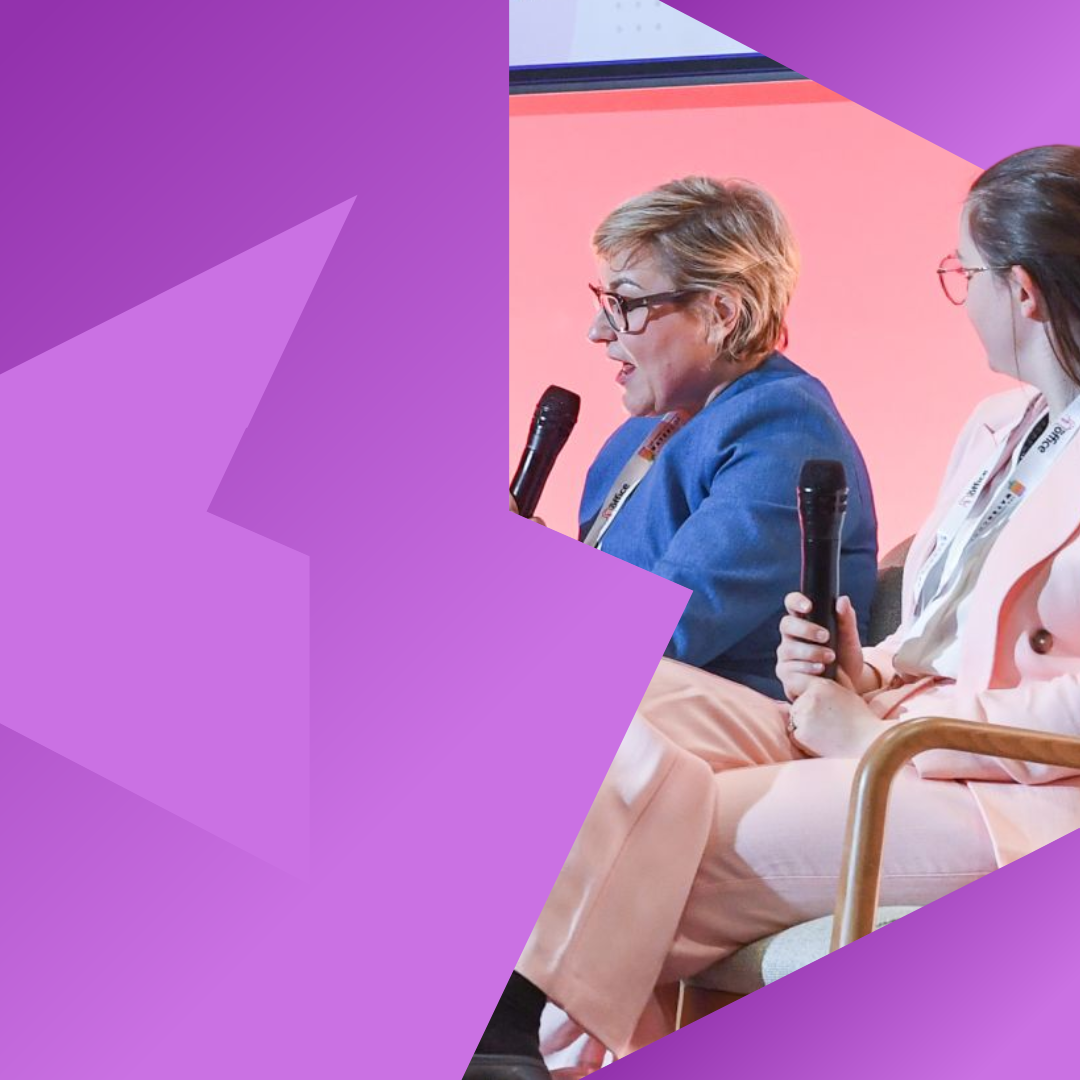

The conversation.
Design polymath Propst’s seminal 1968 book, The office: A facility based on change, was ahead of its time. Designed as a field manual for workplace change, it tackled everything from change, human-centered design, visual display, privacy and involvement, conversation and interaction, health and movement, the role of technology, and leadership culture. And all in a surprisingly slim volume.
In this educational chat Chris, Ian and Mark explore:
- How Propst became Director of Research for Herman Miller
- Mark's involvement in bringing Propst's legacy back to life
- Why The Office is still essential reading for anyone shaping workplace experience
- What today’s workplace strategists can learn from Propst’s provocations
- What a gorilla has to do with expression and personalisation
- Whether it's fair to call Propst 'the inventor of the cubicle' or not...
And to top it off, Dr Dan Wakelin from Isovist is back with Ian on reflection section duties.
Explore further
We discuss
- Robert Propst’s research and the ideas behind The Office: A Facility Based on Change.
- How Action Office developed, and why its original ambitions became associated with the cubicle.
- Privacy, interaction, movement and personalisation in workplace design.
- What today’s workplace practitioners can learn from Propst’s provocations.
- Dr Dan Wakelin’s reflections on research methods, design intuition and unintended consequences.
Explore further